loadshedding
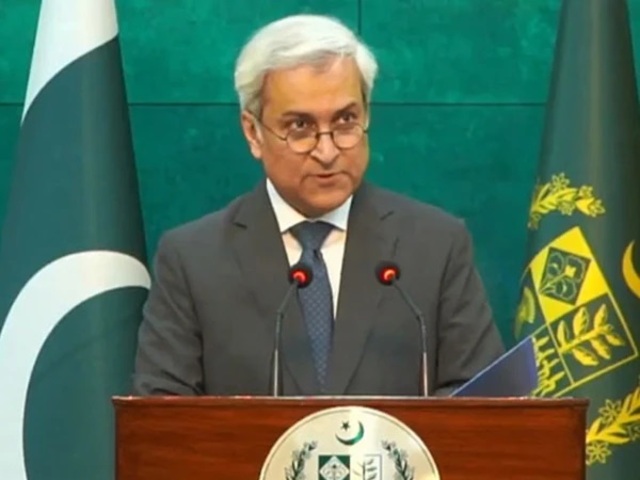
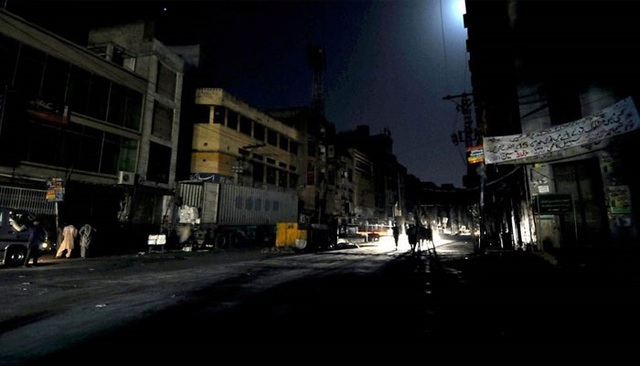
“The purpose of this load management is to reduce the use of expensive fuel and prevent a rise in electricity prices,” the Power Division spokesperson said in a statement. “This step can prevent an increase of approximately Rs3 per unit,” he added.The statement further said that distribution companies had been instructed to share feeder-wise outage schedules with consumers at all levels to ensure awareness of shutdown timings.
“No unscheduled outages will be allowed. In case of local faults, the concerned offices will inform consumers accordingly,” it added.
The spokesperson further said that electricity consumers were provided relief worth Rs46 billion between July and February under the government’s “peak relief strategy”, while electricity prices were reduced by 71 paisa per unit despite rising fuel costs. “This success is the outcome of reforms, relief packages, strict implementation of the merit order and effective planning,” he added.
He further said that the use of low-cost energy sources and better utilisation of generation capacity helped control prices, while improvements in transmission and administrative systems reduced losses. “Despite challenging global conditions, electricity generation in the country remains stable,” he stated, adding that the system is still capable of meeting demand.
According to the spokesperson, 80 MMCFD of local gas has been supplied to power plants, helping prevent tariff increases. “This has prevented an increase of 80 paisa per unit and additional load management,” he said. He warned that despite reduced furnace oil usage, a rise of around Rs1.5 per unit could still occur.
The news comes after Qatar declared force majeure on gas supplies due to damage to its facilities amid ongoing regional tensions involving Iran and Israel, leading to disruptions in liquefied natural gas (LNG) imports. Qatar is Pakistan’s main LNG supplier under two long-term contracts covering up to 1,000 million cubic feet per day (mmcfd).
The spokesperson said the situation is being closely monitored under the prime minister’s supervision and the government is ensuring that the public is not burdened excessively despite global challenges. He added that coordinated closure of commercial markets during peak hours could further reduce demand and help stabilise prices.
About the Author