straitofhurmoz
According to Al Jazeera citing the Iranian state broadcaster IRIB, the joint military command further stated that the US has said the US has “continued acts of piracy and maritime theft under the guise of a so-called blockade”.
“For this reason, control of the Strait of Hormuz has returned to its previous state, and this strategic waterway is now under strict management and control by the armed forces,” they said.Iran’s military said it uncovered and dismantled spy “cells” linked to the United States, Israel and the United Kingdom, according to Al Jazeera.
Citing the intelligence wing of the Islamic Revolutionary Guard Corps (IRGC), Iran’s Fars news agency reported that the cells were aimed at carrying out espionage, “building networks” and stoking unrest in the country.
The IRGC said they were in the provinces of East Azerbaijan, Kerman and Mazandaran.
Al Jazeera also reported that the IRGC arrested more than 120 people it said were affiliated with the US, UK and Israel, and were “preparing the grounds for a military attack by the enemy”, the semi-official Tasnim news agency says.
The IRGC arrested seven suspects in the East Azerbaijan province, who they said were “sending coordinates of sensitive locations to their headquarters”, Tasnim reports.
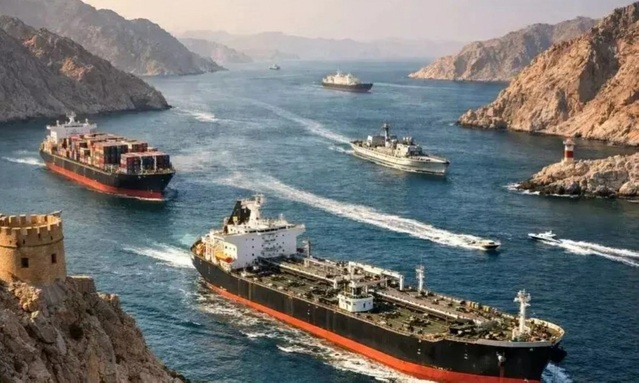
According to Al Jazeera, a further 69 people were arrested in Mazandaran province, and 51 others, including three “espionage teams”, were uncovered in Kerman province, as per the report.A convoy of oil tankers was crossing the Strait of Hormuz on Saturday, the first major movement of ships in the crucial waterway since the US and Israel launched their war on Iran seven weeks ago.
The group of four liquefied petroleum gas carriers and several oil product and chemical tankers was passing through Iranian waters south of Larak Island with more tankers following from the Gulf, according to MarineTraffic data.
US President Donald Trump, hours earlier had cited “some pretty good news” about Iran, declining to elaborate. He also said fighting might resume without a peace deal by Wednesday.
Iran reopened the strait, which before the war carried a fifth of the world’s oil trade, following a separate US-brokered ceasefire agreement on Thursday by Israel and Lebanon.
Trump, speaking on Air Force One late on Friday, declined to elaborate on what the good news was.
However, according to the Iranian semi-official news agency Tasnim, Mohammad Bagher Qalibaf, speaker of Iran’s parliament & head of the recent Iran-US negotiation team, said on X that all seven claims made by US President Donald Trump in one hour were false.
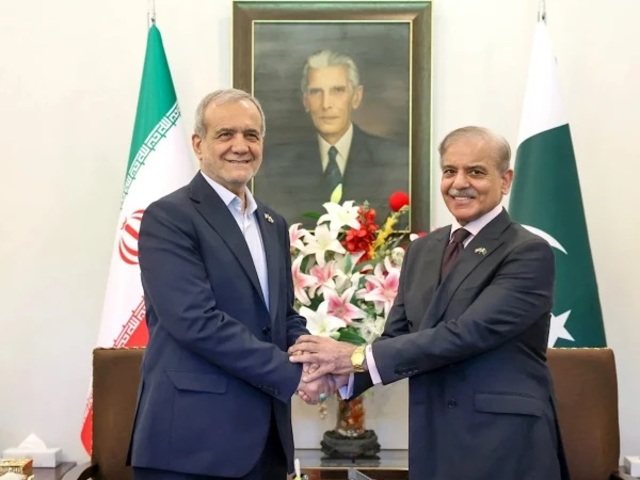
“With the continuation of the blockade, the Strait of Hormuz will not remain open.”Egypt is working closely with Pakistan on a framework aimed at securing a lasting peace between the US and Iran, Foreign Minister Badr Abdelatty said on Saturday.
He said Egypt, Turkey, Pakistan and Saudi Arabia were coordinating a broader regional effort focused on preventing renewed escalation and laying the groundwork for a post-war security arrangement, stressing the importance of protecting Gulf states and stabilising energy markets, supply chains and food security.
“It seems to be going very well in the Middle East with Iran,” Trump told reporters while returning to Washington from Phoenix, Arizona. “We’re negotiating over the weekend. I expect things to go well. Many of these things have been negotiated and agreed to.
“The main thing is that Iran will not have a nuclear weapon. You cannot let Iran have a nuclear weapon, and that supersedes everything else.”But in sharp contrast, he said he may end the ceasefire with Iran unless a long-term deal to end the war is agreed before it expires on Wednesday, adding that a US blockade of Iranian ports would continue.
President Donald Trump warned Friday that the US will retrieve Iran’s nuclear dust by force if a deal is not reached, while ruling out any tolls on the Strait of Hormuz.
“We’ll go in with Iran, and we will take it together, and we will bring it back to the US,” Trump told reporters on the way back to Joint Base Andrews in Maryland. “If we don’t do that, we will get it in a different form—a much more unfriendly form.”
Asked whether he would extend the ceasefire or restart attacks if no deal is reached by Wednesday, when the two-week truce mediated by Pakistan expires, Trump left the door open to renewed strikes.
“Maybe, I won’t extend it, but the blockade is going to remain. But maybe I won’t extend it, so you have a blockade, and unfortunately, we have to start dropping bombs again,” he said.
On claims by Iran that differences remain, Trump said: “They have to say something different because they have people they have to cater to. I’m just saying it like it is.”
About potential tolls on the strait, Trump said: “Nope. No way.”
“The restrictions are you can’t do the tolls. There are not going to be tolls,” he added.
The war with Iran, which began on February 28 with a US-Israeli attack, has killed thousands and sent oil prices surging because of the de facto closure of the strait, which until recently carried about a fifth of the world’s oil trade.
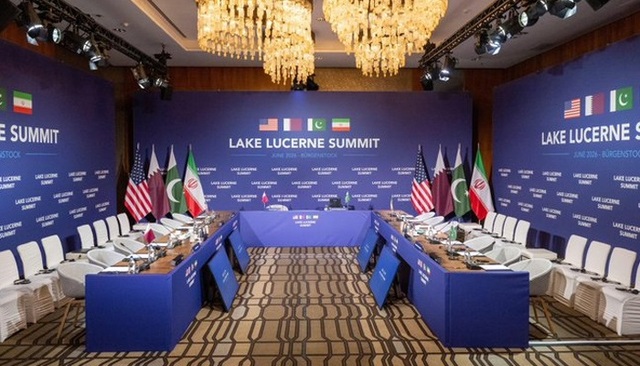
Trump has told Reuters there would probably be more direct talks between Iran and the US this weekend. Some diplomats said that was unlikely given the logistics of gathering in Islamabad, where the talks are expected to take place.
There were no signs of preparations early on Saturday for talks in the Pakistani capital, where the highest-level US-Iran negotiations since the 1979 Islamic Revolution ended without agreement last weekend.
The key mediator, Chief of Defence Forces Field Marshal Asim Munir, has been holding talks in Tehran since Wednesday.Among complicating factors, Iran’s speaker of parliament and senior negotiator, Mohammad Bagher Qalibaf, posted on social media that the Strait of Hormuz “will not remain open” if the US blockade continued.
Foreign Minister Abbas Araghchi had announced on social media that the strait was open for all commercial vessels for the remainder of the 10-day truce that was agreed on Thursday by Israel and Lebanon, which was invaded by Israel after the Iran-allied Hezbollah militant group joined the fighting.
Vessel traffic data showed a group of around 20 ships, including container ships, bulk carriers and tankers, moving through the Gulf toward the Strait of Hormuz on Friday evening, but most ended up turning back, although it was not clear why. The group included three container ships operated by French shipping group CMA CGM, which declined to comment.
A cruise ship that was stranded in Dubai, the Celestyal Discovery, however, crossed the strait and was headed to Oman on Saturday morning, according to Marine Traffic vessel tracking data.
Iran has said all ships crossing the Strait must coordinate with the Islamic Revolutionary Guard Corps, which was not the case before the war. The Defence Ministry said in a statement quoted by state television that military vessels and ships linked to “hostile forces”, the US and Israel, were still not permitted to pass.
Shipping companies have said they would require clarifications, including about the risk of mines, before vessels moved through the entry point to the Gulf.
The US Navy warned seafarers that the mine threat in parts of the waterway was not fully understood and said they should consider avoiding the area.It was also unclear how Iran and the US would address Tehran’s nuclear program, which has been a key sticking point in peace talks, with Iran defending its right to what it says is a civilian nuclear energy program.
Trump told Reuters the US would remove Iran’s stockpiles of enriched uranium. Foreign Ministry spokesperson Esmaeil Baghaei told state TV the material would not be transferred anywhere.
Separately, a senior Iranian official said Tehran hoped a preliminary agreement could be reached in the coming days.Oil prices fell about 10%, and global stocks jumped on Friday on the prospect of marine traffic resuming through the strait.
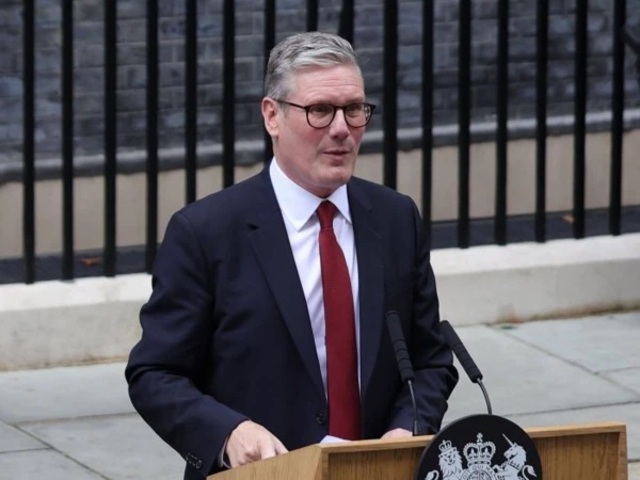
After a video conference on Friday, more than a dozen countries said they were willing to join an international mission to protect shipping in the strait when conditions permit, Britain said.
About the Author