
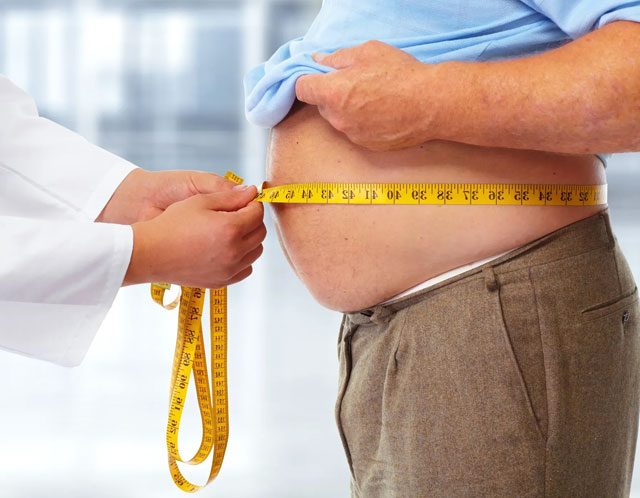
Liposuction and Insulin Sensitivity
How Liposuction Can Influence Insulin Sensitivity?
Insulin sensitivity refers to how effectively the body’s cells respond to insulin, a hormone that helps move glucose (sugar) from the bloodstream into cells for energy. When insulin sensitivity is low—often called insulin resistance—the body must produce more insulin to keep blood sugar levels normal. Over time, insulin resistance can contribute to conditions such as type 2 diabetes and metabolic syndrome.
Researchers have long studied how body fat affects insulin sensitivity, and this has led to interest in whether fat removal procedures like liposuction can influence metabolic health.
The Role of Body Fat in Insulin Resistance
Not all body fat affects the body in the same way. Fat tissue is biologically active—it releases hormones, fatty acids, and inflammatory chemicals that can influence how the body responds to insulin.
Visceral fat, which surrounds internal organs, is strongly linked to insulin resistance.
Subcutaneous fat, found just under the skin, is generally less harmful but can still contribute to inflammation when present in large amounts.
Excess fat tissue can increase inflammation and release free fatty acids into the bloodstream, both of which interfere with insulin signaling in muscles and the liver.
What Liposuction Does?
Liposuction is a surgical procedure that removes subcutaneous fat from specific areas of the body, such as the abdomen, thighs, or arms. Unlike weight loss through diet or exercise, liposuction physically removes fat cells rather than shrinking them.
Because fat cells play a role in hormone and inflammatory signaling, removing a large amount of fat may reduce some of the factors that contribute to insulin resistance.
How Liposuction May Improve Insulin Sensitivity?
Some studies suggest that liposuction can lead to modest improvements in insulin sensitivity, particularly in people who already have insulin resistance. Possible reasons include:
Reduced inflammatory signals
With fewer fat cells, the body may produce lower levels of inflammatory chemicals that interfere with insulin action.
Lower release of free fatty acids
Excess fat tissue releases fatty acids into the blood, which can block insulin’s effects. Removing fat may reduce this burden.
Improved fat distribution
After liposuction, the body may store fat differently, sometimes favoring healthier fat depots that are less harmful to metabolism.
Important Limitations
While liposuction can influence insulin sensitivity, it is not a treatment for diabetes or insulin resistance. Research shows that:
Improvements are often small and variable
Liposuction does not replace lifestyle factors like physical activity and nutrition
Visceral fat, which plays a major role in insulin resistance, is not removed by standard liposuction
Long-term metabolic health depends far more on regular movement, balanced nutrition, sleep, and overall body composition than on fat removal alone.
Conclusion
Liposuction may improve insulin sensitivity by reducing subcutaneous fat that contributes to inflammation and disrupted insulin signaling. However, its effects are limited and inconsistent, and it should not be viewed as a metabolic or weight-loss solution. Sustainable improvements in insulin sensitivity are best achieved through healthy lifestyle habits that affect the entire body, not just one area.
About the Author